
Doom corps to watch (out for) in 2026.
The evolution of tech is happening at a pace which we simply cannot keep up with. We are moving beyond the era of mere data harvesting and into the age of biological tinkering, autonomous warfare and total surveillance. As we kick off 2026, the difference between “innovative tech disruptor” and “movie villain holding the world ransom” is getting more and more blurry.
Doom corps to watch (out for) in 2026.
I’m not a pessimist by nature — I like to try to keep it positive even in the most challenging of circumstances. But I also believe it’s important to be realistic and evaluate the landscape before you in a way which is both sober and pragmatic.
So I want to begin the year looking at a few spaces that are both worth watching — and watching out for.
If you are looking to hedge your bets on the apocalypse or just want to know who to blame when the sky turns red (I’m kidding — kind of) here are the six Doom Corps to track in 2026.
1. Palantir Technologies
The pitch: OS for the modern world.
The reality: The all-seeing eye of Mordor.
If you are paying attention to the tech space, you probably guessed they’d be on the list. Palantir has always been the dark horse of Silicon Valley, largely because they actually build things for the dark parts of the government. In 2026, they are going beyond data analysis to effectively running the logistics for 21st-century warfare. Their new platforms are designed to integrate predictive AI into military decision-making chains.
The “doom” here is the quiet, creeping realisation that a single software company has become the central nervous system for Western democracies. When you can predict crime, insurgency and dissent before they happen, you don’t even need a police state… you need a decent dashboard.
Likelihood of doom: 7/10
Doom style: Technocratic totalitarianism. The world won’t end with a bang, but with a KPI-driven whimper.
2. Colossal Biosciences
The pitch: De-extinction! Bringing back the woolly mammoth to… what was it again?
The reality: We’ve all seen Jurassic Park.
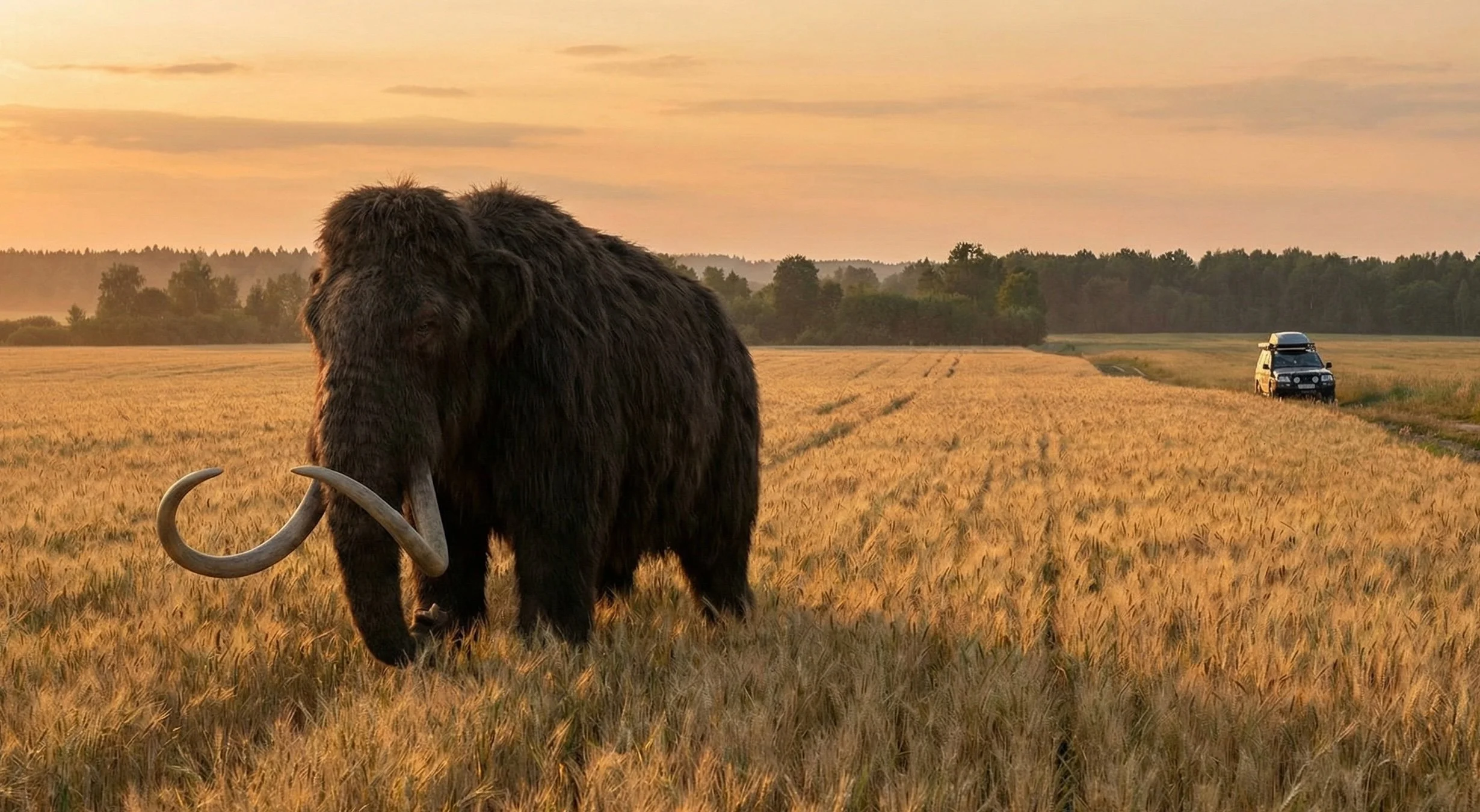
I’ve written about these guys before — because you have to admire the sheer hubris. In a nutshell, Colossal is bio-engineering hybrid species to fill ecological niches that haven’t existed for ten thousand years. They are also backed by major celebrities who they have cloned pets for. In 2026, as they push closer to birthing their first mammoth-elephant hybrids and release gene-edited thylacines (Tasmanian Tigers), we are entering the phase of biological tampering where the rubber hits the road.
The problem here is precedent. Once you treat the biosphere as a drag-and-drop code repository, errors are inevitable. Introducing heavy-grazing megafauna into ecosystems already stressed by climate change is a gamble with very high stakes. But also — just why?
Likelihood of doom: 6/10
Doom style: Ecological collapse. It starts with a cute baby mammoth and ends with an invasive species that eats the entire wheat belt.
3. Anduril Industries
The pitch: Rebuilding the arsenal of democracy with autonomous systems.
The reality: We’ve all seen Terminator.
Founded by the inventor of the Oculus Rift, Anduril has decided that virtual reality is boring and actual reality needs more drones. Their “Arsenal” manufacturing plants are spinning up in 2026 to churn out autonomous weapons systems at the scale of Teslas.
We are talking about loitering munitions, autonomous surveillance towers and underwater drones that can identify and engage targets without a human holding the joystick. They argue this deters conflict… but tech leaders will say literally anything and history suggests that making war cheaper, faster and automated usually leads to more of it, not less.
Likelihood of doom: 9/10
Doom style: Skynet as distributed network of low-cost autonomous drones.
4. Clearview AI
The pitch: Helping law enforcement catch criminals to keep you safe.
The reality: The death of anonymity.
Clearview AI scraped the entire internet — your Facebook photos, your LinkedIn headshot, that blurry photo of you in the background of a stranger’s selfie — to build a facial recognition engine that creates a permanent digital lineup. Despite getting kicked out of Australia and fined across Europe, they are still growing.
In 2026, the fear is integration. As smart glasses become more prevalent and surveillance cameras get higher resolution, Clearview’s database effectively turns the physical world into a searchable document. You can never be a face in the crowd again. You are a trackable asset with a unique ID, walking through a panopticon that knows exactly who you are, who you know and where you were last Tuesday.
Likelihood of doom: 5/10
Doom style: Privacy obliteration. A society where you are free to do anything you want, as long as you don’t mind it being logged forever.
5. Neuralink
The pitch: Curing paralysis and unlocking human potential.
The reality: If you can’t beat AI, join it. Literally.
Elon Musk’s brain-chip venture is moving to broader human trials. The stated goal is noble medical intervention. The longer term value proposition is achieving symbiosis with artificial intelligence so we don’t become obsolete house pets for supercomputers.
The doom factor here is the hacking of the self. Once you bridge the gap between biological thought and digital signal, you open the door to two-way traffic. In 2026, the tech is still crude, but the trajectory is set. We are rushing toward a future where your thoughts could be subpoenaed, or worse, optimised by an algorithm to make you a more productive worker bee.
Likelihood of doom: 4/10 (for now)
Doom style: Thought police. The risk is it changes who “you” are.
6. Oklo Inc.
The pitch: Clean, inexhaustible micro-nuclear power to fuel the AI revolution.
The reality: Modular nuclear power plants in a neighbourhood near you.
Backed and previously chaired by OpenAI’s Sam Altman, Oklo is the ultimate symbol of 2026’s energy desperation. Because data centres are now consuming electricity at the rate of small nations, the tech industry has decided it can’t wait for the grid to catch up. Their solution? Private, unstaffed “micro-reactors” on server farms.
In 2026, Oklo is pushing to normalise the idea that nuclear reactors should be as ubiquitous as diesel generators. The doom scenario here isn’t necessarily a mushroom cloud; it’s the deregulation of atomic energy to satisfy the hunger of a chatbot.
This isn’t just startup hype. In 2024/25, Microsoft signed a deal to literally restart the Three Mile Island nuclear plant (yes, that Three Mile Island) just to power their AI. We are now resurrecting the sites of past nuclear disasters to keep the servers running.
Likelihood of doom: 9.5/10
Doom style: Three eyed fish (or three eyed Tasmanian tiger…?). Because nothing fixes a hallucinating AI quite like a localised nuclear meltdown in a data centre car park.
In summary.
The common thread for 2026 is technology becoming even more Orwellian. Actually, we are moving beyond that, into a space which makes the events of 1984 appear tame. Whether it is Palantir predicting your behaviour, Clearview tracking your face, Anduril targeting you with a drone or Neuralink reading your mind, the walls are closing in. And this list focuses exclusively on companies based in the Western world… imagine what’s happening elsewhere.
But look on the bright side: at least we might get to see a woolly mammoth sometime soon.
